Things to Do in Zimbabwe in September
September weather, activities, events & insider tips
High Season · Book Early
September Weather in Zimbabwe
Long-run averages for September in Harare
80°F (26°C)
High Temp
50°F (10°C)
Low Temp
0.3 inches (8 mm)
Rainfall
38%
Humidity
11
Sunny-Day UV
⚠ Extreme UV exposure under cloudless skies. Harare's peak UV index reaches 11 in September, classified as extreme on the WHO scale. Prolonged outdoor exposure without high-SPF sunscreen, a hat, and protective clothing risks sunburn within 15 to 20 minutes for lighter skin tones, and walking safaris and full-day game drives compound the exposure hour after hour.
⚠ Bush fire risk is elevated across the country. Eight months of accumulated dry grass and leaf litter make September one of the highest fire-risk months, and controlled burns by parks authorities and farmers can produce localised smoke haze that reduces visibility, in the lowveld. Uncontrolled fires occasionally force temporary closures of access roads in Hwange and the Save Valley conservancies.
⚠ Fine laterite dust on unpaved park roads can aggravate respiratory conditions, asthma. If you are sensitive, bring a mask or buff and keep vehicle windows closed during convoy driving. The dust is at its worst in Mana Pools and Hwange, where long stretches of dry dirt road see heavy vehicle traffic through September.
Making the most of September in Zimbabwe? Browse tours and activities in Zimbabwe on GetYourGuide.
Is September Right for You?
Weigh the advantages and considerations before booking
Advantages
- + Peak wildlife viewing across every major reserve. Hwange's waterholes become the only drinking source for hundreds of kilometres, pulling elephant herds of forty or fifty into the open alongside buffalo, lion, and painted dog packs. Mana Pools hits its annual apex, with animals packed along the Zambezi floodplain in concentrations that rival anywhere on the continent. You will likely see more in a single September morning game drive than most visitors manage in a week during the green season.
- + Near-zero rainfall and consistently clear skies make outdoor plans almost bulletproof. Harare averages just 8 mm (0.3 inches) for the entire month, and in the lowveld around Gonarezhou and the Zambezi valley, rain is essentially absent. You can plan multi-day walking safaris, canoe trips, and open-vehicle drives without a single washout, which is something that cannot be said of October onward.
- + Victoria Falls shifts into a different and arguably more rewarding mode. The spray curtain that drenches everything within 500 m (1,640 ft) during high water lifts enough in September that you can see the basalt gorge face, photograph the full width of the falls without a waterproof housing, and walk the rainforest path without a poncho. The western cataracts still carry enough force to rattle your ribcage from the Knife Edge Bridge. But the eastern sections thin to a revealing veil that exposes the rock structure beneath.
- + Temperature swings work in your favour. Days warm to a dry 26°C (80°F) that feels lighter than it reads thanks to the 38% humidity, while mornings and evenings drop to 10°C (50°F), cool enough that sleeping under canvas is comfortable and walking safaris feel invigorating rather than punishing. Compare this to October and November, when the same parks hit 35°C (95°F) and the heat becomes its own logistical problem.
Considerations
- − The landscape is unapologetically dry. September sits at the tail end of the Zimbabwean winter, and eight months without meaningful rain have stripped the bush to skeletal thorn and pale yellow grass. If you came hoping for the lush, green Africa of the January brochures, you will be startled by how stark and brown everything looks. This is precisely why wildlife concentrates so visibly. But landscape photographers and first-timers often feel the disconnect between expectation and reality.
- − Peak-season demand makes planning ahead non-negotiable. Safari lodges in Hwange and Mana Pools often fill three to six months in advance for September, and availability inside the parks evaporates long before that. Campsites at Mana Pools main camp are allocated by ballot through Zimbabwe Parks, and the September ballot is the most competitive of the year. Wait until August to book and you will likely be turned away or pushed to less desirable concessions.
- − Dust is a constant companion. Dirt roads in the national parks bake into fine powder by September, and every vehicle ahead of you trails a plume that takes minutes to settle. Open-vehicle game drives coat your camera lenses, your lungs, and everything in your bag with fine laterite grit. The lowveld parks, Mana Pools and Gonarezhou in particular, are the worst offenders, with some access roads shaken into rutted corrugations that rattle fillings loose.
Short on time in September? See day trips around Zimbabwe on GetYourGuide.
Best Activities in September
Top things to do during your visit
September settles over Zimbabwe like a slow exhale after the long dry season. The rains that will eventually green the bushveld are still weeks away. The land lies open and exposed under a sky so wide and pale it seems stretched at the edges. Daytime temperatures climb to around 26 degrees Celsius, warm enough for shirtsleeves but free of the punishing heat that arrives in October and November. Nights drop sharply to around 10 degrees. You will want a fleece for predawn game drives or early walks through Harare's avenues of flowering jacarandas, whose purple canopy begins to ignite across the capital this month. Rainfall is negligible at roughly 8 millimetres for the entire month. Humidity sits at its annual low, making the air feel clean and light against your skin. This dryness reshapes the country for visitors in practical ways. Rivers have shrunk to their skeletons, concentrating wildlife around the remaining waterholes in Hwange, Mana Pools, and Gonarezhou. Vegetation is thin and yellowed, which means animals are easier to spot against the sparse mopane scrub. Victoria Falls runs at its leanest, exposing more of the basalt rock face than you will see at any other time of year. It also grants unobstructed views of the gorge without the curtain of spray that drenches everything from February through May. Zimbabwe in September is a country pared back to its bones. That clarity is its own kind of beauty. The smell of dry grass and wood smoke drifts across farm roads at dusk. The silence of the bush at midday, broken only by the metallic call of a go-away bird, feels almost physical. For those wondering about safety and logistics, Zimbabwe's tourism infrastructure has matured considerably. Harare and Bulawayo have reliable accommodation, from boutique guesthouses to international-brand hotels. The road network between major destinations is generally sound. September is firmly within the peak safari season, so booking accommodation and guided experiences ahead of time is wise. The country never feels overrun the way East African parks can. Zimbabwean hospitality is genuine and unhurried. The food scene draws from the country's own culinary traditions. The pace of travel here rewards patience over checklists.

Harare City Tour & Zimbabwe Highlights
guided_experienceThe Harare City Tour and Zimbabwe Highlights pulls you through the capital with the kind of local narration that transforms a grid of streets into a story. You move through the tree-lined avenues of the city centre, past the copper-roofed Parliament building and into the large Mbare Musika market. The sharp tang of dried kapenta fish and the earthy sweetness of roasted maize hit you before you even see the stalls. The tour extends beyond Harare's boundaries to touch on broader Zimbabwean history and landscape. It gives first-time visitors a compressed education in the country's geography, colonial past, and postcolonial present.
A single-day framework for understanding Harare and Zimbabwe's wider story, narrated by guides who grew up in the places they are showing you.
Insider tip: Ask your guide to stop at a roadside vendor for mazoe orange crush mixed with ice. It is a drink that tastes like liquid nostalgia for every Zimbabwean and costs almost nothing.
This month: September's dry, clear skies and comfortable warmth make a full day outdoors pleasant. There is none of the muddy conditions or afternoon downpours that can disrupt city touring in the wet months.

Great Zimbabwe Tour from Harare
guided_experienceGreat Zimbabwe is the country's namesake and its most important archaeological site. The guided tour from Harare commits to the long drive south through Masvingo Province, where the landscape flattens into dry savanna dotted with balancing granite kopjes. When you arrive, the Great Enclosure rises from the hillside like something grown rather than built. Its mortarless walls curve in smooth arcs up to eleven metres high. The fitted stonework is cool and rough under your fingertips. A knowledgeable guide walks you through the Hill Complex and the Valley Ruins, pointing out the chevron patterns in the walls, the soapstone bird carvings that became a national symbol, and the acoustic tricks the builders engineered into the stone corridors. A whisper at one end carries clearly to the other.
This is the largest stone structure in sub-Saharan Africa south of the Sahara, built without mortar or arches. Standing here, you feel the weight of a civilisation that traded gold and ivory with the Swahili coast and beyond.
Insider tip: Arrive before the midday heat and climb the Hill Complex first. The granite is still cool then, and the morning light picks out the texture of the walls against the surrounding bush.
This month: September's bone-dry conditions mean the paths around the ruins are firm and dust-free. The stripped vegetation reveals structural details in the outer walls that dense summer growth conceals.

10 Day Zimbabwe and Chobe NP Tour
guided_experienceThe ten-day Zimbabwe and Chobe itinerary collapses a lifetime of nature-documentary moments into a single continuous experience. It threads through Hwange National Park, where September's water scarcity pulls elephant herds, sometimes numbering in the hundreds, to the pumped pans. Their grey bodies raise dust plumes visible from kilometres away. You cross into Botswana's Chobe National Park, where the Chobe River draws buffalo, hippo, and crocodile to its dwindling banks. The sound of fish eagles calling over the water becomes the soundtrack of your mornings. Victoria Falls anchors the trip. In September its reduced flow means you can walk along the lip of the gorge on the Zimbabwean side, feeling the cool mist on your face without being blinded by spray. You can see the full geological drama of the chasm below.
This is southern Africa's dry-season wildlife corridor compressed into a single itinerary, covering two countries and three of the continent's most significant wild spaces.
Insider tip: Pack a warm fleece and a beanie for the open-vehicle game drives at dawn in Hwange. September mornings at altitude can feel cold before the sun clears the tree line.
This month: September is the final month of peak dry season in both Hwange and Chobe. Water sources have contracted to their annual minimum, creating some of the highest wildlife densities you will encounter anywhere in southern Africa.

African Cuisine Cookery Class
otherThe African Cuisine Cookery Class offers something most Zimbabwe itineraries miss entirely: a seat at the table before the meal arrives, your hands deep in the preparation. You work with local ingredients that define Zimbabwean cooking, pounding dried peanuts into a thick, fragrant butter for dovi, stirring the stiff white mass of sadza over heat until your arm aches, and charring green vegetables over open flame until they take on a smoky sweetness. The smell of roasting groundnuts fills the kitchen, rich and nutty and warm. The instructor explains how each dish connects to a region, a season, or a family tradition. What you taste at the end is not restaurant food but home food. It is the kind of cooking that Zimbabweans eat every day and rarely see represented in tourist experiences.
Zimbabwean cuisine is one of the least-known food traditions in southern Africa. This class gives you the technique, context, and flavour memory to carry it home.
Insider tip: Ask specifically to learn how to prepare muboora, the pumpkin-leaf dish cooked with peanut butter. It is traditional and almost never appears on restaurant menus. It is one of the most satisfying things you will eat in the country.

Harare Private Hotel and Airport Transfer
transportThe Harare Private Hotel and Airport Transfer eliminates the single most disorienting moment of arriving in an unfamiliar African city: the walk out of Robert Gabriel Mugabe International Airport into a scrum of competing taxi touts. A driver meets you in the arrivals hall with your name on a board, loads your bags into a clean, air-conditioned vehicle, and delivers you to your hotel while you watch Harare's outskirts scroll past the window. The jacaranda-lined suburbs give way to the glass towers of the central business district. For departures, the pickup is equally precise. The driver knows which terminal approach to use and how early to arrive for international flights.
The transfer strips away arrival anxiety entirely. That matters more than it sounds when you are landing after dark in a city you have never visited.
Insider tip: Confirm the pickup time in writing the day before. Share your flight number so the driver can track delays without you needing mobile data on arrival.

Harare Exclusive Chauffeur Services
private_tourHarare Exclusive Chauffeur Services turns a day of sightseeing into something closer to a private expedition. Your driver knows the city's rhythms, which roads to avoid during morning commutes, where to park near the National Gallery without circling for twenty minutes, and which neighbourhood restaurants serve the best plate of oxtail stew with sadza. The vehicle is comfortable and air-conditioned. The pace is yours. You can spend two hours browsing the stone sculptures at Chapungu Sculpture Park, where the smooth curves of serpentine and springstone catch the September sunlight. Or ask to be driven out to Lake Chivero for an afternoon watching white rhino graze on the lakeshore, the water glinting flat and silver in the low-humidity air.
Having a local driver who doubles as an informed guide transforms Harare from a city you pass through into a place you understand.
Insider tip: Ask your chauffeur to route through the Avondale neighbourhood in the late afternoon. The jacaranda canopy is at its most dramatic in September. The golden-hour light filtering through purple blossoms is the single best photograph you will take in Harare.
This month: September's low humidity and clear skies make all-day driving tours comfortable. There is none of the haze or afternoon storms that can cut visibility and disrupt plans from November through March.
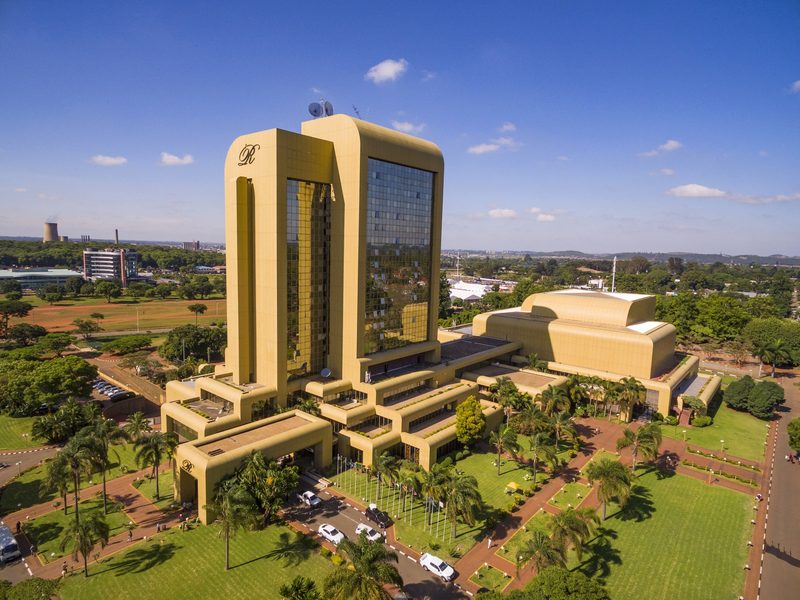
Where to Stay in Zimbabwe in September
Hand-picked hotels across price tiers for September travellers.
Packing Checklist
Bookmark this page — your progress is saved between visits
Need the full list with shopping links?
Climate-specific gear, brand recommendations, and what to leave at home.
View Zimbabwe Packing List →Essential Tips
Insider knowledge and common pitfalls to avoid
Insider Knowledge
Zimbabwe runs on the US dollar for most tourist transactions, and has done so reliably since the multi-currency system stabilised. Carry clean, post-2009-series bills in small denominations. Many lodges and activity operators accept card payments. But market stalls, community guides, and park entrance fees at smaller gates often need cash. ATMs exist in Victoria Falls town and Harare but tend to be unreliable outside those centres, so draw what you need before heading into the parks.
Safety across the main tourist circuit is solid, and has been for years. Victoria Falls, Hwange, Matobo, Mana Pools, and the highway corridors between them see thousands of international visitors each September without incident. Harare and Bulawayo require standard urban awareness. Keep valuables out of sight. Stay aware after dark. Violent crime against tourists is rare by any regional measure. The perceived risk of Zimbabwe currently runs well ahead of the actual risk, which is something returning visitors tend to discover with mild surprise.
Sadza ne nyama, the dense white maize porridge served with slow-braised beef, goat, or chicken, is the foundational meal you should not leave Zimbabwe without eating properly. The real version, cooked in a three-legged cast-iron pot over a wood fire until the outer layer crusts slightly, has a toasted corn flavour and a dense, faintly elastic texture that the instant hotel version cannot replicate. Ask at any camp or lodge kitchen whether the staff will prepare the traditional version, and most will be pleased you asked. If you pass through Harare, Mbare Musika market is the place to see the raw ingredients at source: mountains of dried kapenta fish hauled up from Lake Kariba, sacks of rapoko grain, bundles of muriwo leafy greens giving off a grassy mineral smell, and recycled plastic bottles of maheu, the fermented maize drink with a sour tang that hits the back of your throat.
September is when the msasa woodlands around Harare and the eastern highlands put on their version of an autumn colour show, except in reverse. New leaves emerge in brilliant copper, gold, and wine-red before gradually deepening to green over the following weeks. The effect along the roads between Harare and Mutare is striking, entire hillsides flushing with colour against the dry brown grass, and it is something most visitors to Zimbabwe never hear about because the safari circuit draws attention elsewhere. If your itinerary includes a day in or around Harare, driving the Borrowdale Road or the hills around Domboshava has a view most tourists miss entirely.
Avoid These Mistakes
Spending the entire trip at Victoria Falls and treating the rest of Zimbabwe as a transit corridor. The falls are extraordinary. But three days there is plenty, and most visitors who have done both will tell you that their strongest memories came from the national parks. The real depth of Zimbabwe, Hwange, Mana Pools, Matobo, Great Zimbabwe, the Eastern Highlands, is where the repeat visitors go, and September is precisely the month when these places justify the extra travel time.
Packing for the daytime high and forgetting the mornings. The swing from 10°C (50°F) at dawn to 26°C (80°F) by noon catches nearly every first-timer off guard. You will shiver on an open game-drive vehicle at 5:30 AM in a t-shirt while your guide sits wrapped in a down jacket looking entirely unsurprised. Bring warm layers or buy a fleece in Victoria Falls town on arrival, where shops have learned to stock them for exactly this reason.
Expecting Victoria Falls to look the same year-round. September's lower water reveals a different falls than the March to May peak, and visitors who arrived expecting the thundering wall-of-water postcard image sometimes feel let down. Go in knowing the trade-off: you are exchanging volume for visibility, spray for clarity, and the full-flow spectacle for the ability to see the gorge's geological structure and walk the path in comfort. Both versions are worth the trip. But they are not the same trip.
Ready to plan your trip to Zimbabwe?
Now that you've got the research covered, here's where to go next.
Explore More Activities in Zimbabwe
Didn't see anything interesting yet?
Browse Viator's full catalog of tours, day trips, food experiences, and private guides in Zimbabwe.
See All Zimbabwe Tours on Viator