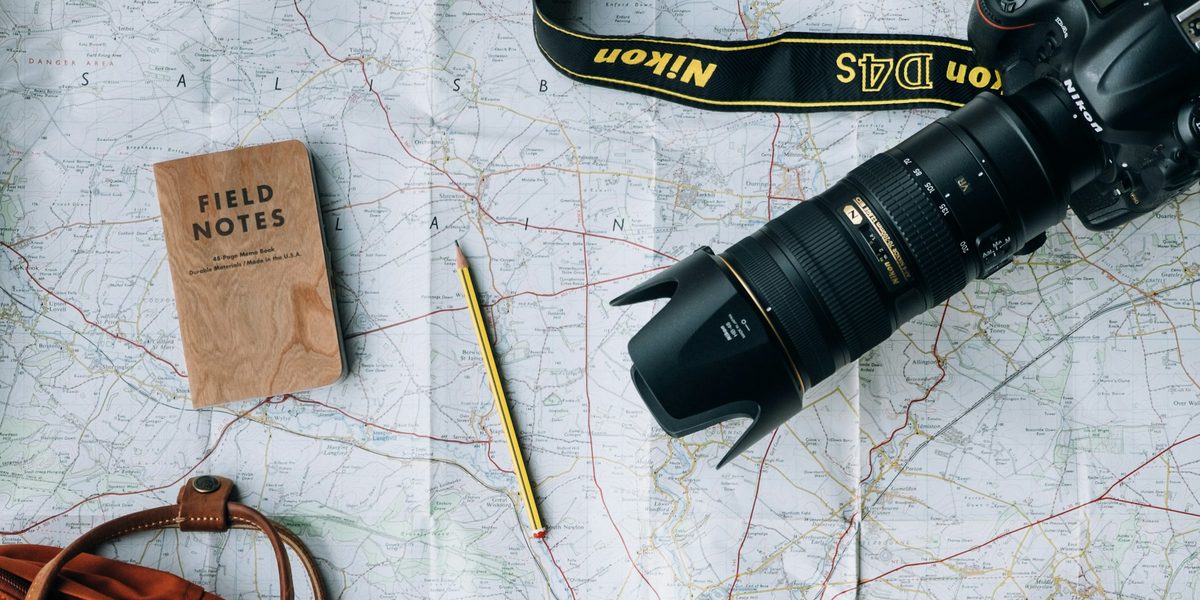
What to Pack for Zimbabwe
Complete packing checklist tailored to Zimbabwe's climate and culture
Climate Overview for Zimbabwe
Zimbabwe's weather is temperate, marked by distinct seasons that shape a traveler's packing list. The air feels dry and crisp during the cool, sunny winter days from May to August, though nights bring a sharp chill that bites, on safari drives. The summer, from November to March, brings a palpable humidity and warm rains that can arrive suddenly, turning red earth paths to mud and filling the air with the scent of wet grass. This cycle means clothing must layer easily, from a light jacket for morning game drives to breathable fabrics for afternoon explorations. Pack smart. The strong, clear sunlight demands sun protection year-round, while the seasonal rain calls for preparedness without overburdening luggage.
Clothing & Footwear
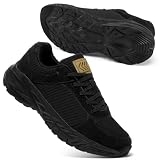
Exploring the ancient stone ruins of Great Zimbabwe or navigating the uneven paths around Victoria Falls requires footwear that supports your feet all day. The terrain is often dry, dusty, and rocky. Choose wisely.

The humidity of Zimbabwe's summer season or the effort of a day hike demands underwear that wicks moisture and dries rapidly after washing, which is practical given varying laundry access. Essential.
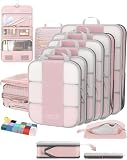
Efficient packing is key for trips that may combine city stays in Harare with bush lodges. These cubes help organize and compress, maximizing space in smaller luggage for varied climates. Worth it.

A packable bag is good for carrying a rain jacket, water, and camera on day trips to Hwange National Park or while browsing the craft markets, stowing away when not in use. Versatile.
Electronics & Gadgets
Zimbabwe uses Type D and G electrical outlets. This adapter ensures you can charge devices in hotels in Bulawayo or remote safari camps, which may have limited plug types. Bring one.

Long days viewing wildlife in Mana Pools or extended travel between destinations often lack charging points. A high-capacity bank keeps phones and cameras powered. Don't skip this.

Durable cables withstand the rigors of travel across Zimbabwe's varied landscapes, from dusty safari vehicles to city cafes, ensuring reliable connections for all your devices. Invest accordingly.
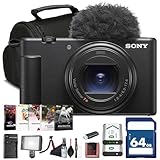
Capturing the thunderous roar and misty spray of Victoria Falls or a quiet elephant crossing demands a capable, portable camera that performs in varied light. Prioritize quality.

Lodges and guesthouses in Zimbabwe may have few power outlets. This strip allows simultaneous charging of cameras, phones, and power banks from a single socket. Practical.
Toiletries & Health

A basic kit is important for addressing minor cuts, bites, or blisters encountered while hiking in the Matobo Hills or on walking safaris, where medical supplies are not immediately at hand. Pack it.

Solid bars eliminate liquid spills in luggage and are good for areas where water conservation is practiced in lodges. They last longer and reduce plastic waste. Smart choice.
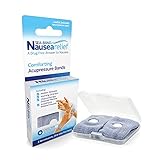
Winding roads in the Eastern Highlands or bumpy transfers on gravel safari tracks can cause nausea. These bands offer drug-free relief, which is helpful when pharmacies are distant. Consider them.

Keeping prescription medications secure and organized is important, on multi-day trips to remote areas where replacing a lost pill bottle would be difficult. Plan ahead.
Documents & Security
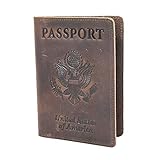
Safeguarding your passport, visas, and vaccination certificates from digital theft is important when traveling through airports like Harare International and in urban centers. Stay protected.

A discreet belt provides peace of mind for carrying cash and cards securely while exploring crowded markets like Mbare Musika in Harare or popular tourist viewpoints. Wear it.

Locks deter opportunistic theft on checked luggage during flights and while stored at accommodations, a sensible precaution for any traveler in Zimbabwe. Lock up.
Comfort & Convenience

Blocking out early morning light is essential for rest after long journeys or in lodges where dawn breaks vividly over the African bush, signaling the start of game drives. Sleep matters.

From the nocturnal sounds of wildlife outside your tent to urban noise in cities, these plugs help ensure undisturbed sleep, which is important for early safari departures. Rest well.
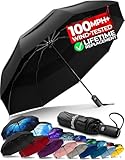
Sudden afternoon thunderstorms are common in the summer rainy season. A sturdy, compact umbrella provides instant shelter while walking in towns or at outdoor sites. Be ready.

This bag is good for carrying souvenirs like stone carvings or baskets from local artisans, reducing plastic use and easily packing away when empty. Shop local.
Outdoor & Hiking Gear
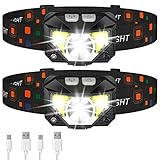
Essential for navigating safari camp paths after dark or early morning walks, leaving hands free. The red light mode preserves night vision and doesn't disturb wildlife. Critical gear.

While bottled water is available, a filter provides ultimate safety for hydration during long hikes in national parks or in remote areas where water sources may be uncertain. Filter everything.

A simple safety tool for attracting attention if you become separated from a group while hiking in areas like the Matobo Hills, where cell service is unreliable. Carry it.
Seasonal Packing Adjustments
What to add or skip depending on when you visit
Dry Season (Winter)
May, June, July, August, September, October
Add: Warm fleece or jacket, Beanie hat, Gloves
Shop Dry Season (Winter) essentials →Skip: Heavy rain gear
Mornings and evenings on game drives are intensely cold, in open vehicles. Layering is critical. Days are sunny and warm, so lighter layers are needed by afternoon. Rain is very unlikely. Pack layers.
Wet Season (Summer)
November, December, January, February, March
Add: Lightweight, quick-dry rain jacket, Waterproof shoes or sandals, More insect repellent
Shop Wet Season (Summer) essentials →Skip: Very heavy warm layers
Afternoon thunderstorms are frequent but often short. Humidity is high. Mosquito activity increases, so malaria prophylaxis and repellent are important. Landscapes are lush and green, excellent for bird watching. Prepare accordingly.
Luggage Recommendation
Choose a durable, medium-sized checked suitcase or duffel. Add a carry-on backpack. Done. Internal flights and safari transfers enforce strict limits, often 15-20kg per person. Soft-sided luggage fits small aircraft holds better. Your bags will face dust and rough handling. Plan accordingly.
Shop Carry-On Luggage on AmazonPro Packing Tips
Practical advice from experienced travelers
Don't Pack
- Heavy bottles of shampoo and conditioner. Solid bars are more efficient and spill-proof. Switch now.
- Excessive amounts of cash; US dollars in small denominations are widely accepted and can be obtained from ATMs in major cities like Harare and Bulawayo upon arrival. Withdraw there.
- A large, heavy hardcover travel guide; a digital version on your phone or e-reader is sufficient. Go digital.
- Formal clothing or excessive jewelry. Dress in Zimbabwe is generally casual and practical, even for nice dinners at lodges. Keep it simple.
Buy Locally
- Local SIM card from providers like Econet or NetOne. Kiosks are available at Harare International Airport and in city centers for better data rates. Buy local.
- High-quality, budget-friendly stone and wood carvings, baskets, and textiles. These are best bought directly from artisans at markets like the Doon Estate in Harare or the Victoria Falls craft market. Bargain politely.
- Pack specialist safari clothing. Think khaki pants and shirts. Forgot something? Outfitters in Harare or Victoria Falls have you covered.
Packing Hacks
- Roll clothes instead of folding to save space
- Pack shoes in shower caps to protect clothes
- Use packing cubes to stay organized
- Keep essentials in your carry-on
Continue Planning Your Trip
More guides to help you prepare
Ready to plan your trip to Zimbabwe?
Now that you've got the research covered, here's where to go next.