Things to Do in Zimbabwe
Elephants pad through manicured hotel gardens. Braai smoke drifts over the Zambezi. You sip coffee. A trunk lifts. No fence. Just morning.
Top Things to Do in Zimbabwe
Find activities and tours you'll actually want to do. Book through our partners -- no booking fees.


Plan Your Trip
Essential guides for timing and budgeting
Climate Guide
Best times to visit based on weather and events
View guide →Day Trips
The best excursions and nearby destinations worth the journey
Explore day trips →Where to Stay
Best neighbourhoods, hotel picks, and booking tips
Find hotels →Travel Insurance
What's required, what coverage matters, and how to get a quote
Read guide →What to Pack
Climate-specific gear, essentials, and what to leave at home
See packing list →When Should You Visit Zimbabwe?
Tap a month for weather, crowds, and highlights
View full year-round climate guide →Explore Zimbabwe
Bulawayo
City
Chinhoyi Caves
City
Chizarira National Park
City
Eastern Highlands
City
Gonarezhou National Park
City
Great Zimbabwe
City
Harare
City
Hwange National Park
City
Kariba
City
Mana Pools National Park
City
Matobo National Park
City
Mutare
City
Nyanga National Park
City
Victoria Falls
City
Your Guide to Zimbabwe
About Zimbabwe
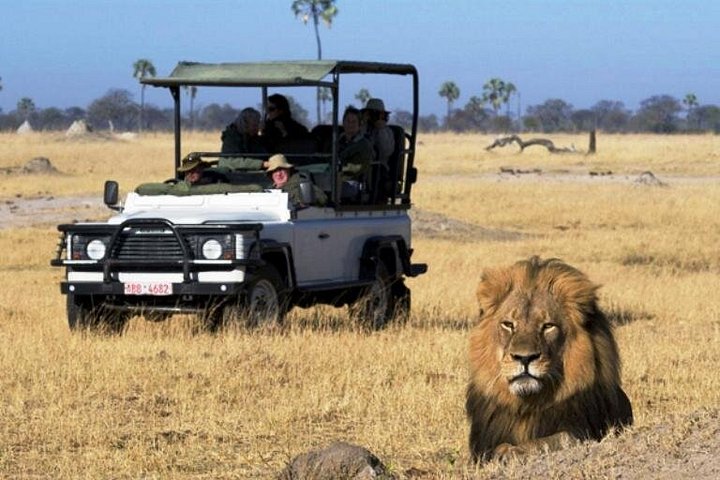
Zimbabwe greets you with dry, earthy heat that cracks lips and turns dust to powder on your skin. You hear it first. The distant, seismic rumble of Victoria Falls, Mosi-oa-Tunya, 'The Smoke That Thunders,' hits the chest before mist soaks your shirt on the Knife-Edge Bridge. Scale here is impossible. In Hwange National Park, elephant herds move with slow, tectonic grace past waterholes where air shimmers and wild sage scents the breeze.
Back in Harare, life ticks to a different beat along Samora Machel Avenue. Roasting maize from sidewalk vendors mixes with combi diesel. Leafy Borrowdale feels worlds away. A plate of grilled kapenta with sadza at a Bulawayo shebeen costs a few US dollars. A sundowner on the Victoria Falls Hotel veranda feels like colonial splurge.
Infrastructure stays patchy. Power cuts punctuate the rhythm. The US dollar rules, so daily costs swing. That rawness is the draw. You come for unfiltered wildness. A baobab silhouetted against a bruised sunset. And for the quiet, profound pride of people who have weathered every storm.
Travel Tips
Transportation: Getting around Zimbabwe demands planning and patience. For long hops, Fastjet or Air Zimbabwe link Harare, Victoria Falls, and Bulawayo at fair prices. On the ground, hire a car for freedom. Expect to pay a premium. Book early near Victoria Falls. Combis are city arteries in Harare. A short ride costs a dollar or two. No timetable. Seats fill until doors bulge. For day trips to Hwange or Matobo Hills, hire a driver-guide through a lodge. Their animal tracking and back-road knowledge repay every cent. Never drive after dark outside cities. Wildlife on the tarmac is real and deadly.
Money: Zimbabwe's money scene is, frankly, odd. The US dollar dominates tourist life. Bring crisp post-2013 bills. Worn notes get rejected. Ones, fives, tens are gold for markets, tips, taxis. Locals use the ZiG quasi-currency, but you rarely will. Credit cards work at big hotels, upscale restaurants, tour desks. Carry cash anyway. City ATMs spit US dollars. Yet limits are low and machines run dry. Don't assume cheap. A local beer is cheap. Imported goods, fuel, non-resident park fees add up fast. Tipping is expected. Ten percent in restaurants if service is not included. Hand your safari guide a few dollars at trip's end. Standard.
Cultural Respect: Zimbabweans are famously resilient and welcoming. A few courtesies smooth the way. Greetings matter. Say 'Hello, how are you?' (Mhoroi, makadii? in Shona) before any request. In rural areas or sacred Matobo Hills, dress modestly. Follow your guide. Ask before photographing people, military sites, government buildings. Politics are delicate. Listen more than you speak. Invited to a home? Bring a small gift. At a braai, accept the choicest cuts. Refusing can offend. Say 'Thank you, this is delicious.' It carries weight.
Food Safety: Zimbabwean food is built on sadza, the stiff maize porridge, paired with nyama, muriwo, or kapenta. Eat it at reputable restaurants or recommended local spots. Street food demands caution. Grilled sweetcorn from a busy vendor is usually safe. Skip pre-made salads, unpeeled fruit, anything sun-warmed. Drink bottled or purified water. Tap water is risky even in upscale hotels. A safe thrill is a Mbare township 'food safari' in Harare, run by local guides. Sample barbecued beef, fried caterpillars (madora), all hygienic. Ease in. Let your stomach adjust to new oils and spices.
When to Visit
Pick your Zimbabwe moment with care. Dry winter, May to October, equals prime safari. Sun warms days to 20-25°C. Nights bite, July and August. Sparse bush and shrinking waterholes crowd Hwange and Mana Pools into theatre. Peak season means Victoria Falls roars loudest. Spray drops. Yet lodges fill fast. Prices increase.
April and November shoulder seasons balance green scenery, lighter crowds, falling tariffs. Afternoon storms roll in. Summer rains, December to March, drench the land. Victoria Falls vanishes inside a cloud. Birdlife explodes. Dirt tracks in parks turn to glue. Some camps shut. Malaria risk climbs. Budget travelers and sky-chasing photographers score 30-40% lodge cuts.
Families love the dry, steady winter. Serious birders and solitude seekers adore November's first rains.
More Ways to Experience Zimbabwe
Tours, day trips, and local experiences curated by on-the-ground operators.
Didn't see anything interesting yet?
Browse Viator's full catalog of tours, day trips, food experiences, and private guides in Zimbabwe.
See All Zimbabwe Tours on Viator